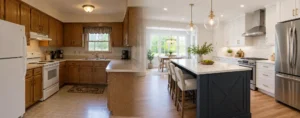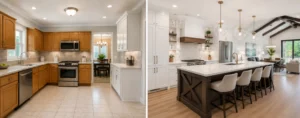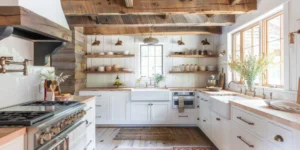
Choosing a kitchen style is one of the first major decisions in a remodel because it influences almost everything that follows, from cabinets and countertops to lighting, hardware, and flooring. For many homeowners, the choice comes down to traditional vs modern kitchen design.
Traditional kitchens usually feel warmer, more detailed, and more layered, while modern kitchens tend to emphasize clean lines, simple surfaces, and a more streamlined appearance. If you are comparing a modern vs traditional kitchen, the better option is not simply the one that looks more current. The right choice should suit your home, your daily routine, and the way you want the kitchen to feel for years to come.
Traditional vs Modern Kitchen: The Main Differences
The biggest difference between these two kitchen design styles is how they create visual character. Traditional kitchens use detail, texture, and architectural elements to add interest. Modern kitchens achieve a strong look through proportion, simplicity, contrast, and uncluttered surfaces.
| Design Element | Traditional Kitchen | Modern Kitchen |
| Overall Feel | Warm, layered, detailed | Clean, simple, streamlined |
| Cabinets | Shaker, raised-panel, recessed-panel | Flat-panel, slab, handleless |
| Colors | Warm white, cream, wood tones, muted colors | White, black, gray, natural wood, contrast |
| Materials | Natural stone, hardwood, detailed tile | Quartz, porcelain, glass, metal |
| Hardware | Knobs, cup pulls, decorative handles | Slim pulls, edge pulls, integrated handles |
| Storage | Mix of concealed and display storage | Mostly concealed and integrated storage |
| Lighting | Decorative pendants, sconces, chandeliers | Recessed lights, linear fixtures, integrated LEDs |
What Is Traditional Kitchen Design?
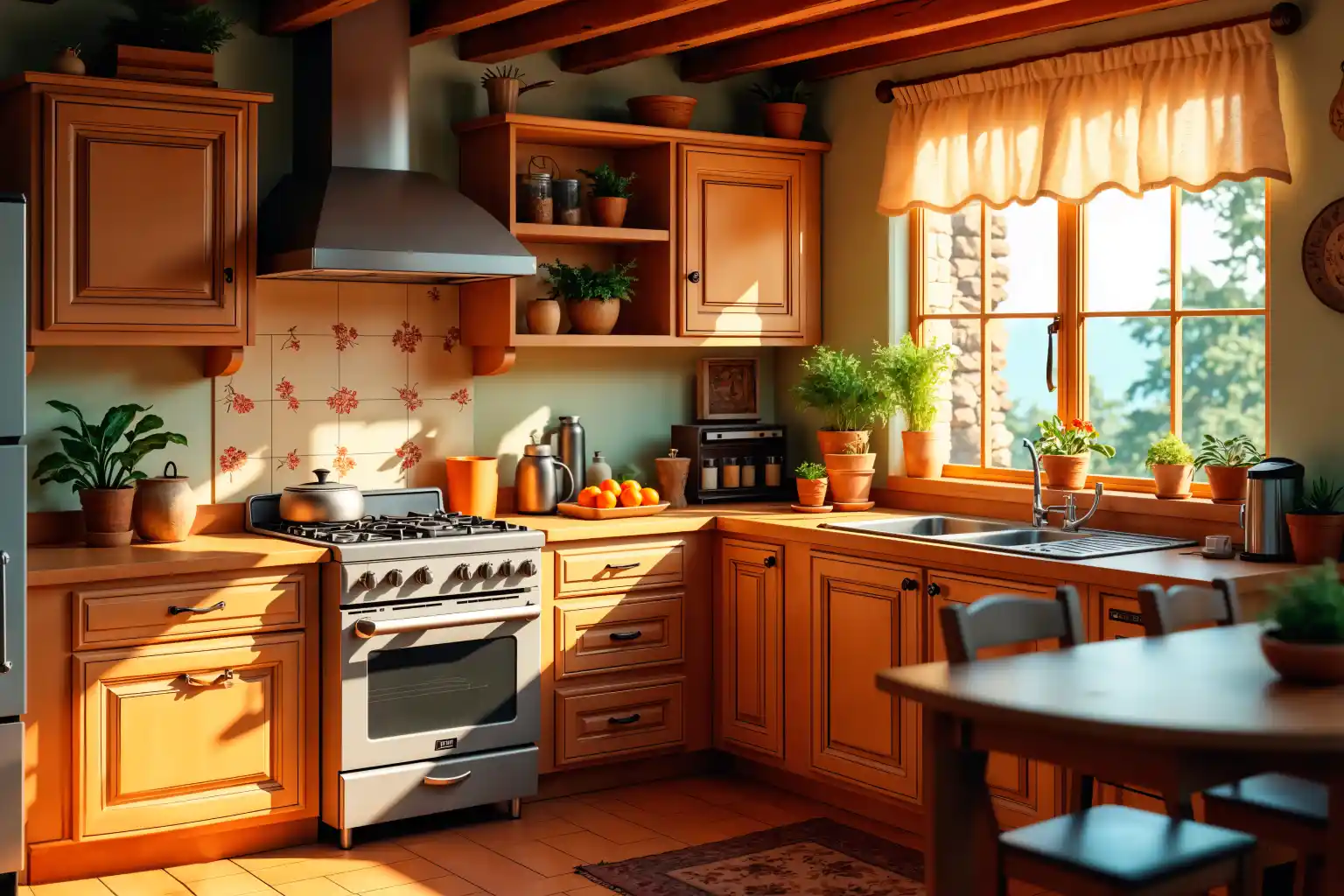
Traditional kitchen design is based on classic forms, familiar materials, and visible craftsmanship. Instead of removing decorative detail, it uses selected details to make the room feel established and welcoming.
Cabinetry plays an important role in the traditional kitchen style. Shaker, raised-panel, and recessed-panel doors are common because they add depth without relying on unusual shapes. Crown molding, decorative end panels, glass cabinet doors, and furniture-style islands may also be used, although a well-designed traditional kitchen does not need all of these elements at once.
Colors are often warmer and softer. Cream, warm white, muted gray, natural wood, and subtle earthy tones work well with this style. Natural stone or stone-look countertops, hardwood flooring, classic tile, and warm metal finishes can reinforce the overall look.
One of the most important points for homeowners is that traditional does not have to mean outdated. Many current traditional kitchen ideas use simpler cabinetry, less ornamentation, clean countertops, and updated lighting. The result still feels classic, but it is easier to live with and less likely to feel overly formal.
For example, white Shaker cabinetry paired with a natural wood island can create warmth without making the room feel heavy. A stone backsplash can add character while the rest of the kitchen remains simple. Traditional design works best when detail is used selectively rather than added to every surface.
What Is Modern Kitchen Design?
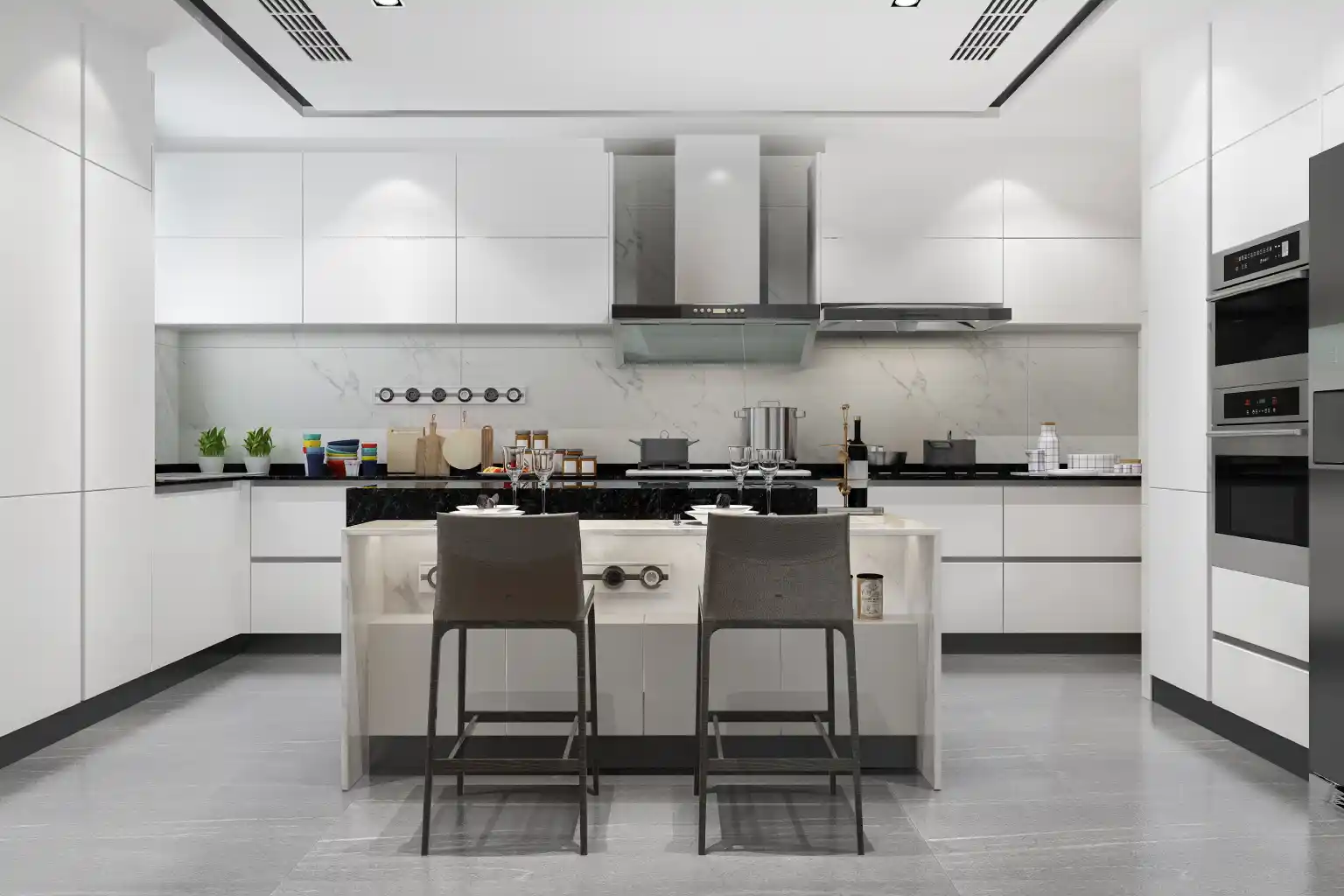
Modern kitchen design focuses on simplicity, clean geometry, efficient storage, and visual order. Instead of using decorative molding or layered cabinet profiles, it tends to create interest through surfaces, proportions, and material contrast.
Modern cabinetry is often flat-panel or slab-style. Handles may be slim, integrated, or completely concealed, which helps cabinet runs appear cleaner and more continuous. Full-height storage walls, built-in appliances, deep drawers, and hidden pantry areas are also common because they reduce visual clutter.
A modern kitchen style is often associated with white, gray, or black, but those are not the only options. Natural wood has become especially useful in modern kitchens because it adds warmth to simple forms. A kitchen might combine matte white cabinetry with a wood island, or charcoal cabinets with a lightly veined countertop and warm lighting.
The best modern kitchen ideas usually improve function while also improving appearance. Deep drawers can make cookware easier to reach, integrated appliances can reduce visual interruptions, and full-height cabinetry can increase storage without making the room feel crowded.
Modern design is most successful when simplicity is intentional. If every surface is plain and every finish is cool, the space can feel sterile. Texture, wood, natural stone, and layered lighting can keep the kitchen comfortable while preserving the clean look.
Traditional vs Modern Kitchen Cabinets
Cabinetry is often where homeowners notice the biggest difference between the two styles. Traditional cabinet doors usually have some type of frame or panel detail. Shaker doors are especially flexible because they can look traditional, transitional, or even slightly contemporary depending on the hardware, color, and surrounding finishes. Raised-panel and recessed-panel doors create more depth and typically lean further toward a classic look.
Modern cabinets are usually flatter. Slab doors create a smooth surface with fewer visual breaks, which helps the room feel more streamlined. Frameless cabinet construction, long drawer runs, and integrated handles can reinforce that appearance.
Hardware also changes the character of the room. Traditional kitchens often use knobs, cup pulls, or more noticeable handles, while modern kitchens may use edge pulls, thin bar pulls, or handleless systems.
Storage can be equally effective in either style. A traditional kitchen may include glass-front cabinets or display areas, while a modern kitchen is more likely to conceal everything behind simple cabinet faces. Inside the cabinets, both can include deep drawers, pantry pull-outs, tray dividers, corner storage, and other practical features.
When planning a kitchen remodel, it is useful to separate the exterior cabinet style from the internal storage needs. A cabinet can look traditional or modern while still being designed around the same practical requirements.
Can You Mix Traditional and Modern Kitchen Design?
Yes, and for many homeowners, this is the most comfortable option. A kitchen that combines traditional and modern elements is often described as transitional. It keeps some of the warmth and familiarity of traditional design while reducing unnecessary detail.
A common example is Shaker cabinetry paired with simple hardware and quartz countertops. Another might combine natural wood flooring with clean-lined cabinetry and minimal lighting. Traditional cabinet proportions can also work with modern appliances, while a modern layout can feel softer when natural materials are added.
This approach is useful for homeowners who do not want a strongly traditional or ultra-modern space. It can also help connect a kitchen to a home that already includes a mix of architectural styles.
The key is to avoid making every feature compete for attention. A cohesive transitional kitchen usually has one dominant direction, with selected elements from the other style used for balance. If the cabinets are more traditional, the countertop and lighting can be simpler. If the cabinetry is modern, natural wood or stone can add warmth.
Which Style Is Easier to Maintain and More Affordable?
Modern kitchens can be somewhat easier to clean because flat cabinet fronts have fewer grooves where dust and cooking residue can collect. However, that advantage depends on the finish. Glossy cabinetry may show fingerprints, while dark matte surfaces can make dust or smudges more noticeable.
Traditional cabinetry may require more detailed cleaning if it includes molding, recessed panels, or decorative trim. Natural stone can also need additional care depending on the material. For most homeowners, maintenance is influenced more by the actual products chosen than by whether the kitchen is traditional or modern.
The same is true with cost. There is no reliable rule that one style is always more expensive.
A traditional kitchen can become costly when it includes custom cabinetry, decorative millwork, premium stone, specialty tile, or detailed finishes. A modern kitchen can be just as expensive when it includes frameless custom cabinetry, panel-ready appliances, integrated lighting, premium hardware, and large-format surfaces.
In most projects, the main cost drivers are cabinet quality, countertop material, appliances, layout changes, plumbing, electrical work, flooring, and installation complexity. In other words, project scope matters more than style.
If budget is an important part of your decision, our guide to kitchen remodel costs can help you understand the factors that influence the overall investment.
Which Is Better: Traditional or Modern Kitchen Design?
Neither style is inherently better. The right choice depends on how you want the kitchen to look, how you use the room, and how the design fits the rest of the home.
Traditional kitchens are often a good fit for homeowners who prefer warmth, natural materials, visible craftsmanship, and more decorative detail. They can work particularly well in homes with hardwood flooring, traditional trim, classic doors, or other architectural features that already create a layered interior.
Modern kitchens may be more appealing if you prefer clean lines, hidden storage, simple surfaces, and less visual clutter. They often work especially well in open-concept homes because streamlined cabinetry can connect more easily with adjoining living and dining spaces.
Transitional design may be the better answer if you want something in between. It allows you to combine classic cabinet forms with simpler finishes, or modern storage solutions with warmer materials.
It is also worth remembering that neither style is automatically timeless. A heavily ornamented traditional kitchen can date just as quickly as a modern kitchen built around short-lived trends. Long-term appeal usually comes from good proportions, quality materials, practical storage, a functional layout, and restrained design choices.
Before making the final decision, look at the kitchen in the context of the whole home. Consider the flooring, doors, trim, nearby rooms, and how open the space is. If your renovation extends into multiple rooms, a broader home remodeling plan can help keep the design consistent.
Choosing the Right Kitchen Style for Your Remodel
The best way to choose between a traditional kitchen vs modern kitchen is to focus on your real priorities rather than trying to follow a specific trend.
Start with how you use the kitchen. A household that cooks often may need more accessible storage, durable surfaces, and generous prep space. Someone who enjoys entertaining may prioritize island seating and open sightlines. Homeowners who dislike countertop clutter may prefer modern integrated storage, while someone who likes displaying glassware or decorative pieces may enjoy some traditional or transitional elements.
Your maintenance preferences also matter. If you want surfaces that are simple to wipe down, cleaner cabinet profiles may be appealing. If you love texture, wood grain, natural stone, and layered detail, a traditional approach may feel more personal even if it requires slightly more upkeep.
It is also helpful to decide what you consistently like rather than what is currently popular. If you repeatedly save kitchens with paneled cabinets, warm wood, and classic materials, an extremely minimal design may not feel right once the novelty wears off. Likewise, if you are always drawn to uncluttered rooms and simple forms, a highly detailed kitchen may feel too busy.
A successful kitchen remodel should solve functional problems first and establish the style second. Layout, storage, lighting, appliance placement, and circulation will have a greater impact on everyday use than any single cabinet door or countertop color. A kitchen remodeling checklist can help organize these decisions before construction begins.
Create a Kitchen That Fits Your Home
The difference between traditional and modern kitchen design comes down to more than appearance. Traditional kitchens create character through detail, texture, and layered materials, while modern kitchens rely more on clean lines, simple surfaces, and integrated storage. Both can be beautiful, practical, and long-lasting when the design is planned around the home and the people using it.
If you are unsure which direction fits your space, you do not have to make the decision from inspiration photos alone. Cabinet style, storage, materials, lighting, layout, and the architecture of the home should all be considered together.
VCT Kitchen And Bath helps homeowners in Maryland plan kitchen remodeling around both design preferences and everyday function. Whether you are leaning toward traditional cabinetry, a modern layout, or a transitional combination, a design consultation can help you make confident choices before major materials and finishes are selected.
Frequently Asked Questions
What is the main difference between a traditional and modern kitchen?
Traditional kitchens generally use more visible detail, including paneled cabinetry, molding, natural materials, and decorative hardware. Modern kitchens typically use cleaner cabinet fronts, simpler hardware, integrated storage, and fewer decorative elements.
Are traditional kitchens still in style?
Yes. Traditional kitchens can still feel current when the design uses restrained detail, balanced proportions, practical layouts, and updated materials. Traditional design does not need to be heavily ornate.
Are Shaker cabinets traditional or modern?
Shaker cabinets can work in several styles. Their framed profile has traditional roots, but their simple design also works well in transitional and some modern kitchens. Hardware, color, countertops, and lighting usually determine the final look.
Is a modern kitchen more expensive than a traditional kitchen?
Not necessarily. Cost depends more on cabinet quality, appliances, materials, layout changes, plumbing, electrical work, and installation complexity than on the style itself.