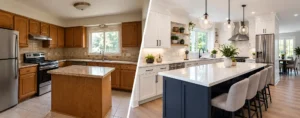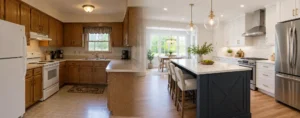
A kitchen remodel is not only about replacing cabinets or choosing a new countertop. It is about creating a space that supports how you cook, move, store items, clean, and spend time with family. When the planning is weak, even costly materials can feel wrong after installation. When the plan is right, every part of the kitchen works with purpose.
This complete kitchen remodeling guide will help homeowners understand the full process before starting. You will learn how to plan your remodel, choose the right layout, compare important materials, avoid common mistakes, and know what to ask before hiring a contractor. For homeowners in Columbia, MD and nearby Maryland areas, VCT Kitchen and Bath also offers free consultation, free in-home estimate, free 3D design, showroom guidance, licensed installation, and a 2-year installation warranty.
What Is Kitchen Remodeling?
Kitchen remodeling means changing or improving the structure, function, appearance, or usability of your kitchen. It may include cabinets, countertops, flooring, lighting, backsplash, plumbing fixtures, appliances, storage, wall changes, or layout adjustments.
A remodel can be simple or detailed depending on the condition of your kitchen and your goals. Some homeowners only need new cabinets and counters, while others need a full redesign with new work zones, better storage, and updated finishes.
Kitchen Remodeling vs Kitchen Renovation
Kitchen renovation usually focuses on refreshing the existing space. This may include painting cabinets, replacing hardware, changing countertops, or updating flooring without changing the main layout. Kitchen remodeling goes deeper. It may change how the kitchen works, where appliances are placed, how cabinets are arranged, and how the space connects with the rest of the home.
Small Kitchen Updates vs Full Kitchen Remodel
Small updates work well when the layout is already practical and the main issue is appearance. For example, new cabinet doors, a fresh backsplash, better lighting, or a new countertop may be enough. A full remodel makes more sense when the kitchen has poor movement, weak storage, outdated cabinets, damaged surfaces, or a layout that no longer fits your daily routine.
Why Kitchen Remodeling Matters for Homeowners
The kitchen is one of the most used areas in a home. It handles cooking, storage, cleaning, family movement, and sometimes dining or entertaining. Because of that, even small design problems can affect daily use.
A well-planned remodel can make the kitchen easier to use, better organized, and more attractive without wasting space. It can also help the home feel more current and practical for long-term living.
Better Daily Function
A kitchen should support the way you use it every day. If the sink, stove, refrigerator, prep area, and storage are placed poorly, simple tasks can take more time than needed. Good planning improves movement, cabinet access, counter space, and appliance placement. This makes cooking, cleaning, and storage easier.
Improved Home Appearance
Old cabinets, dull lighting, worn flooring, and outdated colors can make the whole home feel aged. Since the kitchen often connects to dining and living areas, its design has a strong visual impact. Updated finishes, balanced colors, better lighting, and clean cabinet lines can give the space a more finished and welcoming look.
Stronger Long-Term Home Value
Many homeowners remodel their kitchen because they want better use now and stronger appeal later. A practical kitchen with quality materials can help the property stand out to future buyers. Homeowners interested in resale benefits can also read our detailed guide on how kitchen remodeling increases home value.
Signs Your Kitchen May Need Remodeling
Not every kitchen needs a full remodel. Some only need focused updates. The key is to understand what problems are affecting the space. If your kitchen looks old, feels tight, lacks storage, or no longer supports your lifestyle, it may be time to plan a better design.
Your Kitchen Layout Feels Tight or Difficult to Use
A poor layout can make the kitchen feel smaller than it really is. Tight walkways, awkward corners, and poor appliance placement can interrupt cooking and cleaning. If more than one person cannot move easily in the space, the layout may need to be reviewed before choosing new materials.
Your Cabinets and Countertops Are Worn Out
Cabinets and countertops handle daily use, moisture, heat, spills, and cleaning. Over time, doors may loosen, drawers may stick, and surfaces may crack or stain. When these features start affecting storage, safety, or appearance, replacing them can make a major difference.
Your Kitchen Does Not Match Your Lifestyle
Your needs may change over time. A growing family may need more pantry space, better seating, larger prep areas, or stronger storage. A kitchen that worked years ago may no longer fit your cooking habits, family routine, or home layout.
Your Kitchen Looks Outdated Compared to the Rest of the Home
Sometimes the rest of the house has been updated, but the kitchen still has old finishes, dark colors, weak lighting, or dated cabinet styles. When the kitchen feels disconnected from the home’s current design, remodeling can help bring the space together.
How to Start Planning a Kitchen Remodel
A good kitchen remodel starts before any material is selected. The first step is understanding what you want to fix and what result you want from the project. Planning early helps avoid wrong measurements, poor layout choices, weak storage, and budget confusion.
Define Your Main Remodeling Goals
Start by asking what matters most. Do you need more storage, better lighting, new cabinets, extra counter space, a kitchen island, or a brighter design? Clear goals help guide every decision. Without them, it becomes easy to choose materials that look good but do not solve the real problem.
Study Your Current Kitchen Problems
Before planning the new kitchen, look closely at what is not working now. Check the walkway space, cabinet access, appliance location, lighting, sink position, and storage zones. This step helps you understand whether the issue is design, function, material age, or all three.
Decide What Features Matter Most
Common kitchen features include cabinets, countertops, backsplash, flooring, lighting, sink, faucet, pantry, island, and appliance layout. Not every kitchen needs every feature. The right choices depend on space size, budget, cooking habits, and long-term plans.
Think About Your Daily Routine
A kitchen should be designed around real use. Think about how often you cook, how many people use the kitchen, where you store food, and how much counter space you need. This makes the remodel more personal and practical without turning the plan into a list of random upgrades.
Kitchen Layout Planning Guide
Layout is one of the most important parts of any kitchen remodel. It affects movement, storage, cooking flow, cleaning, and how the kitchen connects with nearby rooms. Before choosing cabinets or countertops, homeowners should understand which layout fits their space best.
L-Shaped Kitchen Layout
An L-shaped kitchen uses two connected walls. It works well in open spaces and can leave room for a dining area or island. This layout is useful for homeowners who want better movement without closing off the kitchen.
U-Shaped Kitchen Layout
A U-shaped kitchen uses three walls or cabinet runs. It provides strong storage and counter space when the room is large enough. This layout can work well for homeowners who cook often and need separate areas for prep, cooking, and cleaning.
Galley Kitchen Layout
A galley kitchen has two parallel runs of cabinets or counters. It is common in narrow spaces. When planned correctly, this layout can be very efficient because everything stays within close reach.
One-Wall Kitchen Layout
A one-wall kitchen places cabinets, appliances, and work areas along a single wall. It is often used in smaller homes or open-plan layouts. Good storage planning is important here because the design has limited cabinet runs.
Kitchen Island Layout
A kitchen island can add prep space, seating, storage, and a strong center point. It works best when there is enough walkway space around it. An island should not be added only for appearance. It should improve movement and function.
Key Areas to Consider During a Kitchen Remodel
A kitchen remodel includes many parts that must work together. Each selection should be based on daily use, cleaning needs, durability, and the overall design direction.
Cabinets and Storage
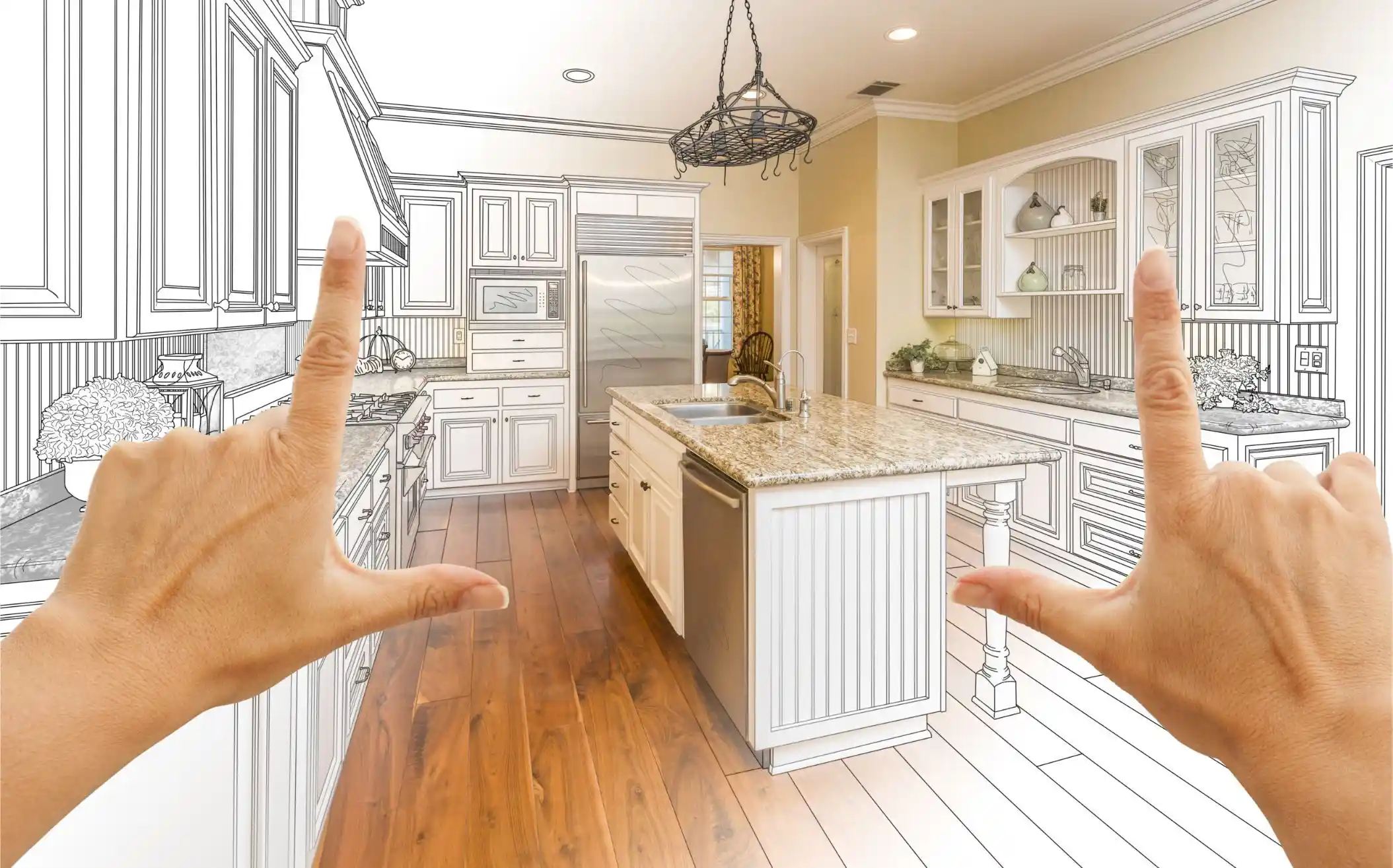
Cabinets shape the kitchen more than almost any other feature. They affect storage, style, movement, and how organized the space feels. Homeowners should think about drawer placement, pantry space, corner storage, cabinet height, hardware, and finish before making final choices.
Countertops
Countertops are used for food prep, small appliances, serving, and daily household tasks. They need to handle cleaning, spills, heat, and regular use. Popular options include quartz, granite, marble, and quartzite. Each material has its own look, care needs, and durability level.
Flooring
Kitchen flooring should be strong enough for foot traffic, spills, dropped items, and regular cleaning. Tile, waterproof vinyl plank, engineered flooring, and other durable options can work depending on the home style and maintenance needs.
Backsplash
A backsplash protects the wall behind counters, sinks, and cooking areas. It also adds design detail without taking up extra space. Tile, stone-look surfaces, glass tile, and slab backsplash designs are common options.
Lighting
Lighting affects how the kitchen looks and how well it works. A single ceiling light is often not enough. A good plan may include recessed lights, pendant lights, under-cabinet lights, and task lighting near prep areas.
Sink, Faucet, and Plumbing Fixtures
The sink and faucet are used every day, so placement and quality matter. Homeowners should consider sink size, faucet height, sprayer style, and cleanup needs. If plumbing lines need to move, that should be planned early because it can affect cost and schedule.
Appliances and Work Zones
Appliance placement should support cooking flow. The refrigerator, sink, stove, oven, and dishwasher should be placed with daily movement in mind. Good work zones reduce wasted steps and make the kitchen easier to use.
Popular Kitchen Remodeling Materials
Material selection should balance appearance, function, cleaning, and long-term use. The best material is not always the most expensive one. It is the one that fits the home and the way the kitchen is used. Before finalizing materials, compare durability, maintenance, color, texture, and how each item works with the rest of the design.
Cabinet Materials and Finishes
Cabinets may include painted finishes, stained finishes, wood looks, shaker doors, flat-panel designs, and different hardware styles. The right cabinet choice should match the home’s design while still giving enough storage and daily durability.
Countertop Materials
Quartz is popular for its low-maintenance surface and wide color range. Granite offers natural movement and strong durability. Marble has a classic look but needs more care. Quartzite gives a natural stone appearance with strong performance. A homeowner should choose based on cooking habits, cleaning expectations, and design goals.
Flooring Materials
Kitchen flooring options include tile, waterproof vinyl plank, engineered flooring, and other water-resistant surfaces. The best flooring should handle moisture, traffic, and cleaning without feeling out of place with the rest of the home.
Backsplash Materials
Backsplash materials can include ceramic tile, porcelain tile, glass tile, stone-look designs, and slab surfaces. A backsplash should support the countertop and cabinet style without making the kitchen feel too busy.
Kitchen Remodeling Budget Factors
Kitchen remodeling cost can vary because every home has different needs. The size of the kitchen, material choices, layout changes, and installation work all affect the final estimate. Instead of starting with random numbers, homeowners should first understand what drives the cost.
Kitchen Size
A larger kitchen usually needs more cabinets, countertop material, flooring, backsplash, and labor. Small kitchens can still become costly if they require custom work, layout changes, or detailed finishes.
Material Selection
Cabinet type, countertop material, flooring, backsplash, fixtures, and hardware all affect budget. Choosing durable materials can help reduce future repair or replacement needs.
Layout Changes
Changing the layout can affect plumbing, electrical points, appliance locations, walls, and ventilation. These updates may be worth it when the current layout is poor, but they should be planned carefully.
Labor and Installation Quality
Installation affects how long the remodel lasts. Poor installation can lead to cabinet gaps, uneven surfaces, weak flooring, plumbing issues, or finish problems. Working with a licensed and insured team can help homeowners protect the investment they are making in their home.
How Kitchen Remodeling Can Increase Home Value
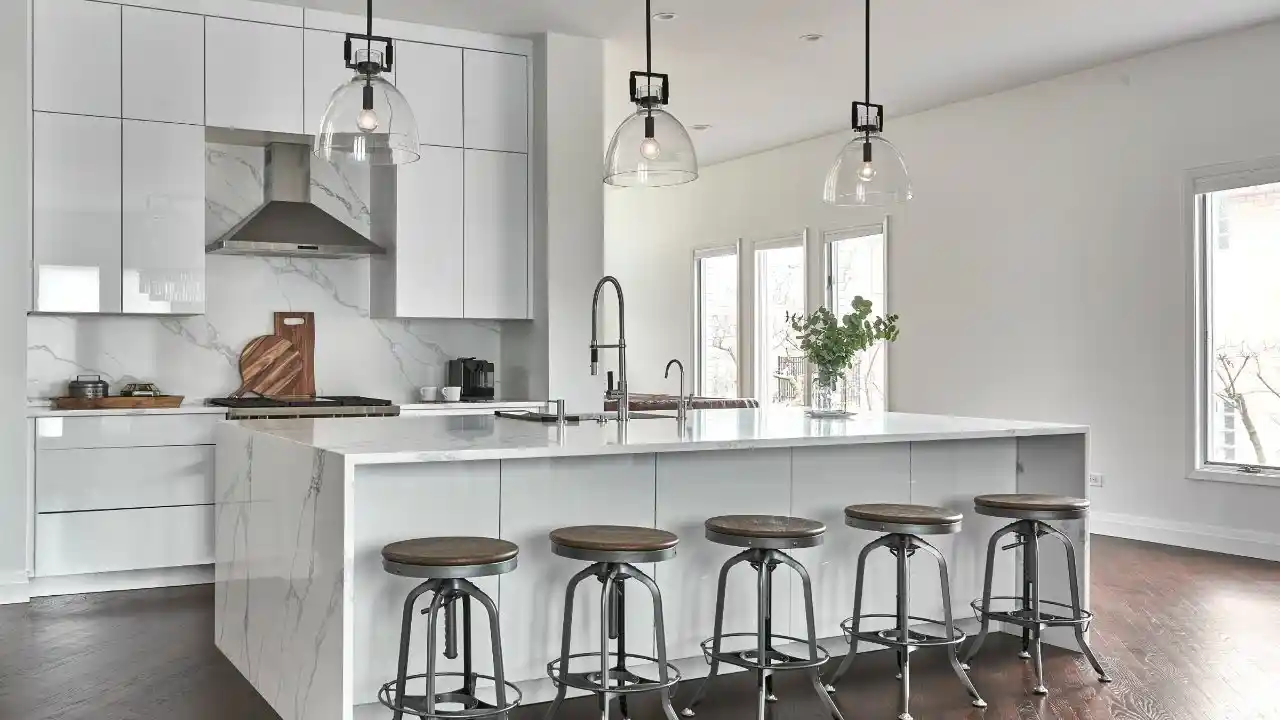
A well-planned kitchen can help a home feel more complete, useful, and attractive. Buyers often pay close attention to kitchens because they are expensive and important spaces to update. Since Kitchen Remodeling Can Increase Home Value depends on the quality of work, layout, materials, and local housing market, homeowners should focus on smart improvements instead of overbuilding.
Updated Kitchens Make a Strong First Impression
A clean, modern kitchen can quickly improve how people view the home. Cabinets, countertops, lighting, and flooring all help create that first impression. This matters because the kitchen is often one of the first areas buyers remember.
Better Layout and Storage Add Practical Value
A good-looking kitchen still needs to work well. Storage, counter space, pantry options, and appliance placement can make the room feel more useful. Practical improvements are often more valuable than design choices that only look nice in photos.
Quality Materials Support Long-Term Appeal
Durable cabinets, strong countertops, water-resistant flooring, and proper lighting can help the kitchen stay useful for years.
Benefits of Kitchen Remodeling
Kitchen remodeling can improve both daily living and long-term home appeal. Many of the Benefits of Kitchen Remodeling come from better planning, not just new finishes. A remodel can create better storage, brighter lighting, easier cleaning, more prep space, safer movement, and a design that fits the rest of the home.
Kitchen Remodeling Checklist for Homeowners
A checklist helps homeowners stay organized before and during the project. It also makes discussions with a contractor easier.
Use this quick checklist before starting:
- Set your remodeling goals
- Review current kitchen problems
- Choose a practical layout
- Plan cabinet storage
- Select countertop material
- Choose flooring
- Plan backsplash design
- Review lighting needs
- Check sink and faucet options
- Decide appliance placement
- Review 3D design
- Confirm estimate details
- Prepare the home before work begins
Kitchen Remodeling Mistakes to Avoid
Kitchen remodeling mistakes can lead to wasted money, poor function, delays, and results that do not match the homeowner’s needs.
Most problems happen when planning is rushed or when design choices are made without thinking about daily use.
Starting Without a Clear Plan
A remodel should not begin with only product choices. Homeowners need goals, measurements, layout direction, storage needs, and a realistic project plan. Without that, the kitchen may look new but still feel difficult to use.
Ignoring Storage Needs
Storage should be planned around what you own and how you use the kitchen. Drawers, pantry cabinets, pull-out shelves, and island storage can all improve organization. Poor storage planning often creates clutter even after a remodel is complete.
Choosing Materials Only by Looks
Beautiful materials are important, but they also need to handle daily use. Countertops, flooring, cabinets, and backsplash should be selected for durability, cleaning, and moisture resistance. A material that looks good but does not fit your lifestyle can become a problem later.
Forgetting About Lighting
Lighting should be planned in layers. Prep areas, cooking zones, sink areas, and islands may need different light sources. Good lighting makes the kitchen safer, brighter, and easier to use.
Hiring Without Research
Homeowners should review license, insurance, previous work, estimate clarity, design support, and warranty before hiring.
How to Choose a Kitchen Remodeling Contractor
Choosing the right contractor is one of the most important decisions in the project. The contractor affects planning, communication, material guidance, installation quality, and the final result. A good contractor should help you understand the process, not pressure you into quick choices.
Check License and Insurance
License and insurance matter because kitchen projects may involve cabinets, flooring, countertops, plumbing fixtures, lighting, and full installation work. Homeowners should ask for this information before approving a project.
Review Their Previous Work
Project photos, design examples, and completed remodels can help you understand the contractor’s style and quality. Look for work that matches the type of kitchen you want, not only the largest or most expensive projects.
Ask About Design Support
Design support helps homeowners see how the kitchen may look before work begins. A 3D design can make layout, cabinet style, countertop color, and flooring choices easier to understand. VCT Kitchen and Bath offers free 3D design and showroom guidance to help homeowners make clearer choices.
Understand the Estimate and Timeline
A clear estimate should explain what is included, what materials are selected, and what steps are expected. The timeline should also be discussed early so homeowners can prepare their home and routine.
Ask About Warranty
A warranty gives homeowners more confidence after installation. VCT Kitchen and Bath provides a 2-year installation warranty, which supports long-term peace of mind after the project is complete.
What to Expect During the Kitchen Remodeling Process
A kitchen remodel should follow a clear process from the first discussion to the final review. This helps reduce confusion and keeps the project organized.
While every home is different, most projects move through consultation, measurement, design, material selection, installation, and final review.
Initial Consultation
The first step is to discuss goals, current problems, design ideas, and project expectations. This is where homeowners can explain what they dislike about the current kitchen and what they want the new space to do better.
Measurement and Design Planning
Accurate measurement is important for cabinets, countertops, appliances, flooring, and layout planning. A design plan helps homeowners see how the space may function before installation begins.
Material Selection
Material selection includes cabinets, countertops, backsplash, flooring, lighting, fixtures, and finishes. A showroom meeting can help homeowners compare colors, textures, and product options in person.
Installation and Final Review
Installation should follow the approved plan and measurements. After the work is complete, the final review helps confirm that the main details have been completed properly.
VCT Kitchen and Bath follows a process that includes free consultation, in-home measurement, a showroom meeting, and licensed installation.
Conclusion
A successful kitchen remodel starts with a clear plan. Before choosing cabinets, countertops, flooring, or finishes, homeowners should understand their layout needs, storage problems, daily routine, budget factors, and long-term goals. If you are planning kitchen remodeling in Columbia, MD, or nearby Maryland areas, VCT Kitchen and Bath can help you move from idea to finished project with free consultation, free in-home estimate, free 3D design, showroom guidance, licensed installation, and a 2-year installation warranty.