
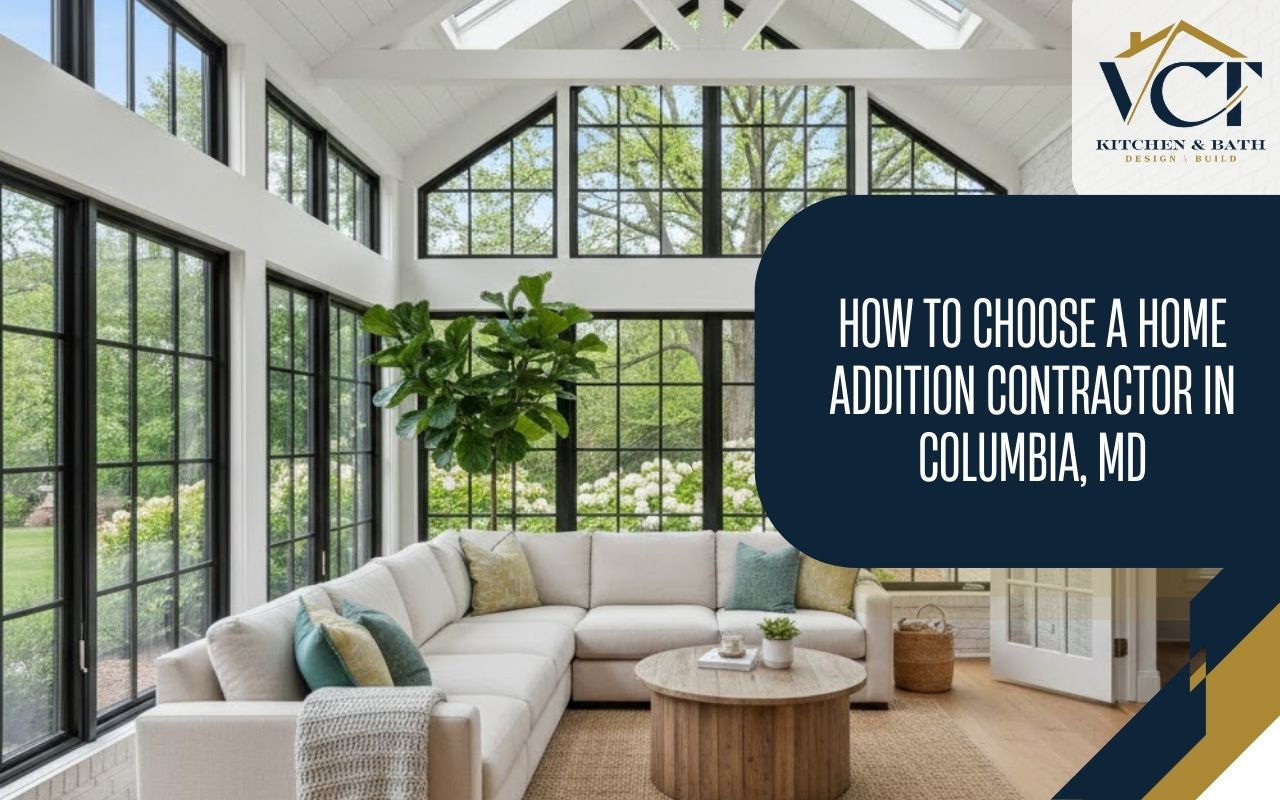
Planning a home addition in Columbia, MD is exciting, but it also raises questions about design, budget, and permits. From light-filled sunrooms to compact bump-outs, the right project can unlock comfort and value. By understanding typical timelines, cost ranges, inspections, and long-term resale potential, and partnering with a Home Addition Contractor in Columbia, MD, you can move forward with confidence.
How to choose a Home Addition Contractor in Columbia, MD
Start by looking for a licensed, insured specialist with local permitting and inspection experience. Review recent sunroom and bump-out projects, verify references, and compare written estimates side by side. A good contractor will explain timelines, cost ranges, and inspection requirements clearly so you understand how each decision affects your budget and daily routine.
Sunrooms vs. bump-outs: aesthetics and functionality
Sunrooms create a bright retreat with expansive windows and an easy connection to the outdoors. They work well as casual living rooms, reading spaces, or plant-filled lounges where natural light is the star. Bump-outs, by contrast, quietly extend existing rooms, making kitchens, dining areas, or home offices more comfortable without changing the overall footprint dramatically.
To quickly compare both options, consider:
- Sunrooms: Best when you want a distinct hangout zone with abundant natural light and a relaxed, indoor–outdoor feel.
- Bump-outs: Ideal for adding a few extra feet to a tight kitchen, dining room, or workspace.
- Existing layout: If your kitchen is cramped, a bump-out plus smart kitchen storage ideas can dramatically improve everyday function.
Think about how your family really uses each room. A sunny retreat may be worth the larger investment, while a modest bump-out can subtly transform daily routines with less disruption.
Permits and inspections for Columbia, MD additions
Most structural additions require permits and multiple inspections to meet local building and safety codes. Skipping this step can lead to fines, delays, or problems when you sell the home. Your contractor should help prepare drawings, gather documentation, and schedule reviews with the local building department.
Homeowners typically move through these stages:
- Discuss project scope and zoning limits with a locally experienced contractor.
- Prepare drawings that show structure, electrical, and how the addition ties into the existing home.
- Submit permit applications, pay fees, and wait for approval before construction.
- Schedule foundation, framing, and final inspections as work progresses.
For a deeper look at regional requirements, you can review home addition permit requirements in Maryland and use them as a starting framework to discuss specifics with your contractor and local authorities.
Timelines for sunrooms and bump-outs
While every property is different, understanding a typical project timeline helps you plan around daily life. Weather, material choices, permitting speed, and inspection schedules all influence the overall duration, but sunrooms generally take longer than smaller bump-outs.
Sunroom construction timeline
A custom sunroom often runs eight to twelve weeks from ground-breaking to final walkthrough. Early weeks focus on excavation, foundations or footings, and framing. Once the structure stands, crews install windows, roofing, and insulation, then complete electrical work and finishes. Clear communication about each phase helps you anticipate noise, dust, and temporary access changes.
Bump-out project timeline
Bump-outs tend to move faster, commonly finishing in four to eight weeks. The crew extends the floor system, walls, and roof, then matches exterior siding or masonry so the new work looks original. Inside, drywall, trim, flooring, and paint follow quickly. Because the addition is compact, inspections cluster closer together, shortening the overall schedule compared with a larger room.
Cost ranges for sunrooms and bump-outs
Adding large areas of glass, specialty roofing, and year-round climate control usually makes sunrooms the higher investment. Bump-outs typically require fewer materials and less complex engineering, so their cost ranges are often more modest. However, premium finishes, structural changes, or relocating mechanical systems can raise the price of either project.
Ask your contractor for a line-item estimate that separates structure, finishes, and optional upgrades. This breakdown makes it easier to adjust the design to meet your budget without sacrificing durability or safety. You can also compare home addition costs with broader home remodeling in Columbia, MD to decide which investment best fits your long-term plans.
How to plan your home addition step by step
Turning ideas into a successful project is much easier when you follow a structured process from first concept to final inspection.
- Clarify goals: more light, extra seating, a bigger kitchen, or a flexible multipurpose room.
- Set a realistic budget range, including a contingency for surprises.
- Collect inspiration photos and note what you like about each space.
- Consult a Home Addition Contractor in Columbia, MD early to confirm feasibility.
- Review preliminary layouts and refine them until they support your lifestyle.
- Submit permit applications and wait for approvals before any demolition.
- Track progress at major milestones and confirm inspections are completed on time.
- Walk the finished space with your contractor and create a punch list for final touch-ups.
Throughout the process, you can explore complementary upgrades like basement remodeling ideas in Columbia, MD to build a cohesive improvement plan for your entire home.
Evaluating ROI and property value
Well-planned additions often increase buyer appeal as much as raw square footage. Sunrooms can feel luxurious, especially when staged as a reading lounge, plant-filled conservatory, or flexible family zone. Bump-outs, on the other hand, tend to shine in appraisals because they deliver highly usable space at a comparatively lower upfront cost.
National studies show that many remodeling projects recoup a significant portion of their cost at resale, especially when design and craftsmanship are high quality. To gauge likely resale impact in your neighborhood, combine online market data with insight from a local real estate professional and your contractor, focusing on how families in Columbia, MD actually live day to day.
Choosing the right project and contractor
Your ideal addition balances lifestyle upgrades, budget, and future plans. If you dream of morning coffee in a light-filled space, a sunroom may be worth the longer schedule. If cooking and entertaining are your priority, a bump-out that enlarges the kitchen or dining area could deliver more daily satisfaction at a lower cost.
Look for a Home Addition Contractor in Columbia, MD who explains technical details in plain terms and provides clear documentation for permits, inspections, and warranties. Ask how they coordinate with inspectors, handle change orders, and keep you updated on progress. When you are ready to talk through ideas, you can contact our team to schedule a design-focused conversation around your goals.
Frequently Asked Questions
How much should I budget for a sunroom or bump-out?
Budgets vary widely based on size, finishes, and existing conditions. Many homeowners start by sharing a comfortable range with their contractor, then adjust the design until structure and features align with that budget. Asking for good, better, and best options on materials helps you see where investing more will have the biggest impact.
How long does a typical home addition project take?
Small bump-outs can sometimes wrap up in about one to two months, while custom sunrooms often take two to three months from breaking ground to final inspection. Permitting speed, weather, and material availability all play roles. A detailed schedule from your contractor will show when key milestones should happen.
Will I need to move out during construction?
Most families stay in the home while work is underway, especially for exterior additions. Expect some noise, dust, and short periods without access to nearby rooms. Ask your contractor how they will protect existing floors, manage debris, and coordinate work hours so the project fits as comfortably as possible into your daily routine.
Do home additions always require inspections?
Structural changes, new foundations, and electrical work almost always require inspections to comply with local codes. These checks protect your safety and verify that work matches approved plans. Before signing a contract, confirm which inspections are needed and who will schedule them so each stage is approved before the crew moves on.
How can I get started with a custom design?
Begin by gathering photos, rough measurements, and notes about how you want the new space to feel. Then, share them during a design consultation so your contractor can propose layouts that fit your budget and property. When you are ready, simply request a project consultation to explore options tailored to your Columbia, MD home.
Making the best choice for your Columbia, MD home
Choosing between a sunroom and a bump-out ultimately comes down to how you want your home to work for you. Clarify whether light, extra seating, or more efficient everyday living is your top priority. With realistic expectations about schedules, costs, and inspections, you can select an addition that feels great now and supports long-term value.