
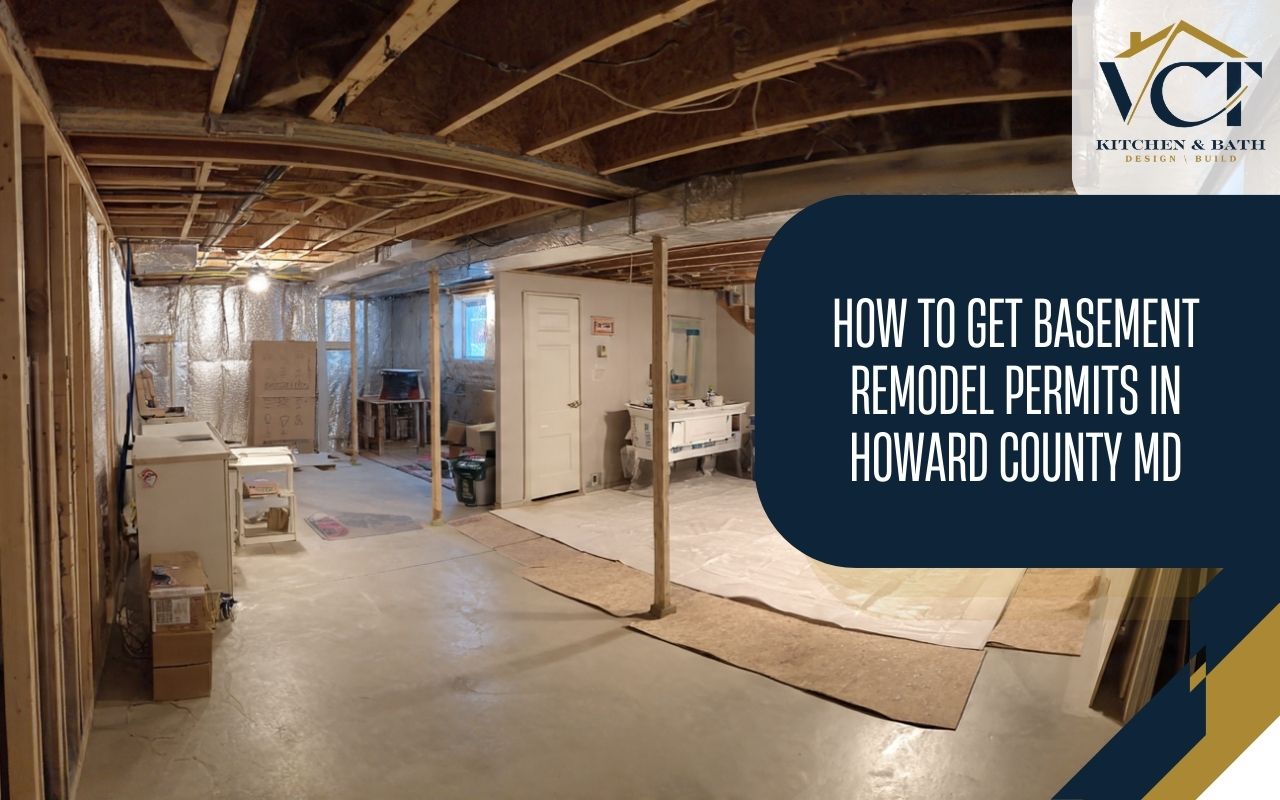
Planning a basement renovation in Howard County can be exciting, but permits, inspections, and safety rules often feel overwhelming. This guide breaks down Basement Remodel Permits in Howard County MD into clear, practical steps. You’ll learn what needs approval, how egress, moisture, and electrical rules work, and when to bring in a licensed contractor for a smooth, stress-free basement upgrade.
How to Get Basement Remodel Permits in Howard County MD
To get Basement Remodel Permits in Howard County MD, start by defining your scope of work, preparing scaled floor plans, and hiring licensed pros for structural, electrical, and plumbing tasks. Submit your application through the county ePermits portal, respond quickly to reviewer comments, and schedule each inspection before closing walls or installing finishes.
Understanding Basement Permit Requirements in Howard County
The county requires permits for any work that changes safety, structure, or building systems in your basement. This usually includes adding walls, moving or adding plumbing, installing new circuits, or converting storage space into bedrooms or living areas.
Reviewing requirements early helps you set a realistic project plan and timeline. Your plans should clearly show layout, materials, room uses, and any new mechanical, plumbing, or electrical work so reviewers can quickly understand your project.
- Finishing an unfinished basement into living space or a rental suite
- Adding or moving walls, doors, or built-in storage
- Creating bedrooms, offices, or media rooms
- Installing or relocating plumbing fixtures and drains
- Adding new circuits, outlets, or lighting layouts
If you need design inspiration while you plan, explore basement remodeling ideas in Columbia MD to see how finishes and layouts affect permitting needs.
A well-organized application is the fastest way to move from plans to approval. Before you submit, gather your floor plans, project description, contractor information, and any required engineering details. Make sure the scope of work on your drawings matches your application description.
Most homeowners apply online through the county portal, but you can also work directly with a licensed contractor who submits on your behalf. Either way, keep copies of what was submitted so you can quickly respond to reviewer comments or questions.
How to apply for your basement remodel permit
- Define your project scope and confirm which permit types you need.
- Prepare to-scale floor plans showing existing and proposed layouts.
- Confirm your contractor’s license and have their information handy.
- Submit your application and upload plans through the online portal.
- Review comments, provide clarifications, and resubmit revisions promptly.
- Print your issued permit and keep it visible on-site during work.
If you prefer a professional to handle submittals and revisions, you can contact our team so permitting and coordination stay on track while you focus on design decisions.
Why Egress Rules Matter in Basement Remodels
Egress requirements exist to protect lives during fires and other emergencies. Any sleeping room in the basement needs at least one compliant emergency escape and rescue opening that leads directly outside, whether that’s a window or a door.
Plans must show clear paths to exits and adequate window well dimensions where needed. Sills must be low enough to reach, openings large enough to climb through, and window wells wide and deep enough for safe escape and firefighter access.
To understand how these standards apply in your area, review the dedicated guide on basement egress window code in Maryland before finalizing your basement layout.
Electrical Permits and Safe Basement Wiring
Any new circuits, relocated wiring, or service upgrades in a basement remodel typically require their own electrical permits. This ensures all work meets code and reduces the risk of shocks, overloads, or fire hazards.
Licensed electricians usually prepare and submit the necessary documentation. Once approved, inspections occur in stages. Rough inspections verify cable routing, box sizing, and grounding before insulation and drywall. Final inspections confirm devices are correctly installed, labeled, and fully operational.
Coordinating electrical reviews with other trades prevents rework, such as reopening finished walls to correct wiring that was never inspected or approved.
Moisture Control and Waterproofing Guidelines
Managing moisture from day one protects indoor air quality, finishes, and your foundation. Basements are naturally prone to humidity and water intrusion, so building officials expect to see basic waterproofing and vapor-control strategies in your plans.
- Use vapor barriers behind walls and under flooring materials.
- Choose water-tolerant finishes in areas near foundations or plumbing.
- Install or upgrade sump pumps, French drains, or exterior drainage as needed.
- Extend gutters and downspouts to move water away from the home.
- Include mechanical ventilation or dehumidification to keep humidity in check.
Addressing these items upfront helps you avoid musty odors, mold concerns, and damaged drywall. It also signals to inspectors that long-term durability was part of your design, not an afterthought.
Structural Safety for Finished Basements
Any change that affects load-bearing elements must be evaluated by qualified professionals. Removing posts, opening long spans, or adding heavy features like built-in bars and fireplaces can all alter how loads move through the structure.
Engineers may provide stamped drawings specifying beam sizes, post locations, and required connections. These details show that your new layout keeps the home safe. Trying to guess on structural changes is risky and can lead to failed inspections or later corrections.
Inspections and Code Compliance Checkpoints
Inspections are not roadblocks; they are checkpoints that confirm your project stays safe and legal. After your permit is issued, you’ll schedule inspections at key milestones. Typical reviews might include framing, plumbing, electrical, insulation, and final occupancy checks.
When an inspector arrives, have approved plans, permits, and access to all relevant areas ready. If corrections are needed, you’ll receive a list outlining what must change. Addressing those items quickly keeps your project moving and avoids rescheduling delays.
Timelines and Sequencing Your Basement Remodel
Good sequencing keeps your project efficient and avoids unnecessary backtracking. Demolition usually comes first, followed by framing, rough plumbing, and electrical work. Once rough inspections are passed, you can move into insulation, drywall, and finishing stages.
Plan enough time between stages for inspections to occur, and avoid covering any work until it has been signed off. Coordinating multiple trades around inspection dates helps your schedule run smoothly and prevents conflicts, especially when material lead times are longer than expected.
Frequently Asked Questions
Do I really need permits for my basement project?
In most cases, yes, permits are required for basement remodels. Any work involving structure, life safety, or building systems usually needs approval. Skipping permits can lead to fines, issues when selling, and additional fixes later. When in doubt, verify requirements with your contractor or the local building department.
How can I make the permit process less stressful?
Start with clear plans and an experienced remodeling team. Detailed drawings, a defined scope, and licensed trades shorten review times. If you’d like professional guidance from the start, you can contact our team to coordinate design, documents, and inspections for you.
What happens if the inspector finds a problem?
You’ll receive a correction notice listing the items that must be fixed. Once your contractor addresses each point, you can request a reinspection. Most issues are minor—such as missing fasteners or labeling—and can be resolved quickly when everyone communicates clearly.
Can I add a bedroom in the basement legally?
Yes, but the room must meet egress, ventilation, and safety standards. That includes a properly sized emergency escape opening and code-compliant smoke and carbon monoxide protection. Review the basement egress window code in Maryland before committing to a bedroom layout.
What if I’m planning a larger expansion beyond the basement?
Larger projects often trigger additional review and permits. If you’re thinking about building outward or upward later, it helps to understand home addition permit requirements in Montgomery County MD so your overall renovation strategy stays consistent with regional rules.
Common Pitfalls During the Permitting Process
The most common mistakes are skipping permits, using unlicensed contractors, and submitting incomplete plans. Missing details—such as window sizes, fixture locations, or clear room labels—cause delays while reviewers request clarifications.
Another frequent issue is doing work out of order, such as installing drywall before all rough inspections are passed. Staying organized, confirming inspection requirements, and working with experienced professionals helps you sidestep these setbacks and avoid disruptive tear-outs.
Conclusion: Your Path to a Successful Basement Remodel
Meeting Basement Remodel Permits in Howard County MD requirements is ultimately about protecting your home and everyone in it. By planning carefully, documenting your scope, respecting egress and moisture rules, and scheduling inspections on time, you transform the process from intimidating to manageable. The result is a finished basement that feels comfortable, safe, and fully compliant.
References
How to Install an Egress Window for Safety and Aesthetic – This Old House
How to Get Rid of Mold and Mildew (and Prevent It from Coming Back) – Better Homes & Gardens