
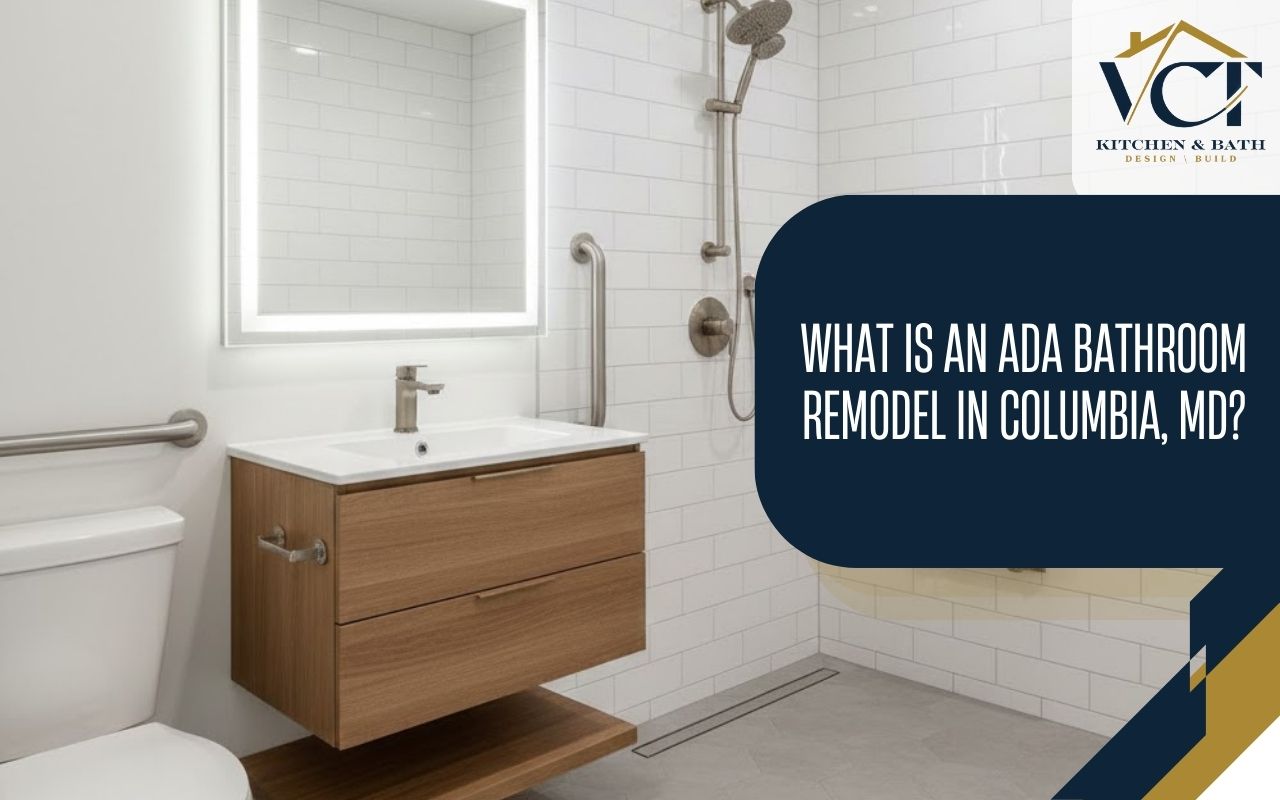
Planning an ADA Bathroom Remodel in Columbia, MD can dramatically improve safety, comfort, and independence for every member of your household. From step-free showers to safer flooring and better lighting, accessibility updates are now easier to integrate into a modern, stylish design. This guide walks you through key features, design ideas, and next steps so you can create a bathroom that works beautifully for all.
What is an ADA Bathroom Remodel in Columbia, MD?
An ADA bathroom remodel adapts your space so people with limited mobility can use it safely and independently. It focuses on clear floor space, safer fixtures, and supportive features so wheelchairs, walkers, and caregivers can move easily. In Columbia, MD, it also means aligning with accessibility standards while still matching your style and preferred finishes.
Understanding ADA guidelines for accessible bathrooms
ADA guidelines give you clear measurements for safer, barrier-free layouts. They cover door widths, turning space, fixture heights, and support requirements so mobility devices can move freely.
When you begin an ADA Bathroom Remodel in Columbia, MD, start by assessing how people currently use the space and where they struggle. ADA-informed design usually includes:
- Clear turning space of at least 60 inches for wheelchairs in key areas.
- Minimum 32-inch-wide doors and wider doorways for smoother access.
- Reinforced walls for future support bars and seats.
If you need help aligning accessibility with style, consider working with specialists in bathroom remodeling in Columbia, MD who understand both local requirements and daily living needs.
Curbless showers for safer, modern access
A curbless shower eliminates the step at the entrance, making it easier to roll, walk, or transfer into the shower area. It creates a smooth transition from the main floor so users with wheelchairs, walkers, or balance challenges can enter without lifting their feet high.
- Low, even floor slope that directs water to a linear or center drain.
- Room for a built-in or fold-down bench along one wall.
- Handheld showerhead on an adjustable slide bar at reachable height.
For layout decisions, pairing this feature with professional bathroom design and planning services ensures your curbless area drains correctly and looks cohesive with the rest of the room.
The importance of grab bars in accessible bathrooms
Properly placed support bars provide critical stability during standing, sitting, and transfers. They reduce the risk of falls at the toilet, shower, and tub and offer a secure place to hold during moments of imbalance.
Key placement zones include beside the toilet, along shower walls, and near entrances. Horizontal bars around 33–36 inches from the floor are common, while vertical bars near entry points help with stepping or pivoting. Today’s designs offer decorative finishes that coordinate with your faucets and hardware so safety features blend seamlessly into your décor.
Non-slip tile and safer flooring choices
Flooring with added traction is one of the most effective ways to prevent slips on wet surfaces. Textured finishes and matte glazes provide grip even when water, soap, or shampoo is present.
- Choose tiles with a higher slip-resistance rating in wet zones.
- Use smaller tiles on shower floors so grout lines add extra traction.
- Pair slip-resistant flooring with good drainage outside the shower.
If you are comparing surfacing materials, this guide to tile vs laminate bathroom flooring in Maryland can help you understand how each option performs in busy, moisture-prone spaces.
Accessible vanity and sink heights
Lower, open vanities make grooming and handwashing more comfortable for seated users. Standard cabinet heights can be difficult to reach from a wheelchair and may block knees or footrests.
Wall-mounted sinks with clear space underneath allow someone to roll in closer to the faucet and mirror. Shallow-depth sinks reduce overreaching, and rounded corners soften impact in tight spaces. Accessible storage can include pull-out drawers, sliding organizers, and shelves located between knee and shoulder height so essentials stay within easy reach.
Lever handles, lighting, and toilet comfort
Small hardware and fixture upgrades can dramatically improve everyday usability. Lever-style faucet and door handles are easier to operate with limited grip strength, arthritis, or when hands are wet.
Layered lighting reduces shadows that can hide water or floor changes. Pair bright, even vanity lighting with shower lights and gentle night lighting along the floor. For the toilet, a chair-height model paired with nearby support bars reduces strain on knees and hips and provides a more controlled, stable sit-to-stand motion.
How to plan your ADA Bathroom Remodel in Columbia, MD
A step-by-step plan keeps your project organized, budget-conscious, and aligned with accessibility goals.
- Assess needs: list current challenges, such as hard-to-reach shelves or unsafe tub entries.
- Define priorities: choose top safety upgrades and style preferences.
- Measure clearly: door widths, clear floor space, and fixture heights.
- Consult professionals: review detailed bathroom renovation steps and discuss options.
- Select materials and fixtures: focus on durable, easy-to-clean, and accessible designs.
- Plan for future needs: reinforce walls and leave space for future equipment.
When you are ready to move from planning to action, you can contact us to request a consultation and discuss timelines, layout, and budget.
Stylish accessories and inclusive bathroom decor
Thoughtful accessories help your accessible bathroom feel warm, personal, and complete. Full-length or tilt mirrors support both standing and seated users, while towel bars and tissue holders installed at reachable heights reduce stretching and bending.
Use contrasting colors on key edges—such as vanity tops, shower entries, and grab bar backplates—to help visually impaired users see where surfaces begin and end. Secure, low-profile mats with slip-resistant backing add comfort underfoot without creating tripping hazards. Lightweight plants, artwork rated for humid spaces, and coordinated hardware finishes keep the room cohesive and welcoming.
Frequently Asked Questions
How much does an ADA-focused bathroom remodel typically cost?
Costs vary based on room size, structural changes, and finish selections. Projects that add a step-free shower, better lighting, and safety fixtures can range from modest updates to full gut renovations. The best way to understand your budget is to schedule a personalized assessment through the contact page.
Can I update my bathroom in phases instead of all at once?
Yes. Many homeowners start with the highest-impact upgrades, such as support bars, safer flooring, and improved lighting, and then phase in layout changes later. A well-structured plan ensures each phase fits the long-term design so you do not have to undo previous work.
Do I need permits for accessibility changes in Columbia, MD?
Structural changes, plumbing relocation, and electrical work often require permits and inspections. Working with experienced licensed bathroom remodeling contractors in Columbia, MD helps ensure your project follows local codes and passes all required approvals.
What features should I prioritize if my budget is limited?
When budgets are tight, prioritize safety: traction on the floor, secure support bars at the toilet and shower, brighter lighting, and easier-to-use faucet handles. These upgrades can significantly reduce fall risk and make daily routines more comfortable without changing the entire layout.
How do I know which layout is best for my mobility needs?
An in-home consultation allows a designer or remodeler to see how you move through the space, where you need support, and what changes will help most. Bringing mobility equipment or assistive devices to the design discussion ensures the final plan fits your real-life routines.
Creating a functional and stylish accessible bathroom
A successful accessible bathroom balances safety, independence, and personal style. Features like a step-free shower, supportive bars, safer flooring, and adjustable lighting create a room that serves every visitor, from children to older adults. With a carefully planned ADA Bathroom Remodel in Columbia, MD, your bathroom can remain comfortable, beautiful, and welcoming for years of daily use.
References
- Houston Chronicle feature on aging in place and home safety upgrades
- Wall Street Journal article on the cost of remodeling to age in place